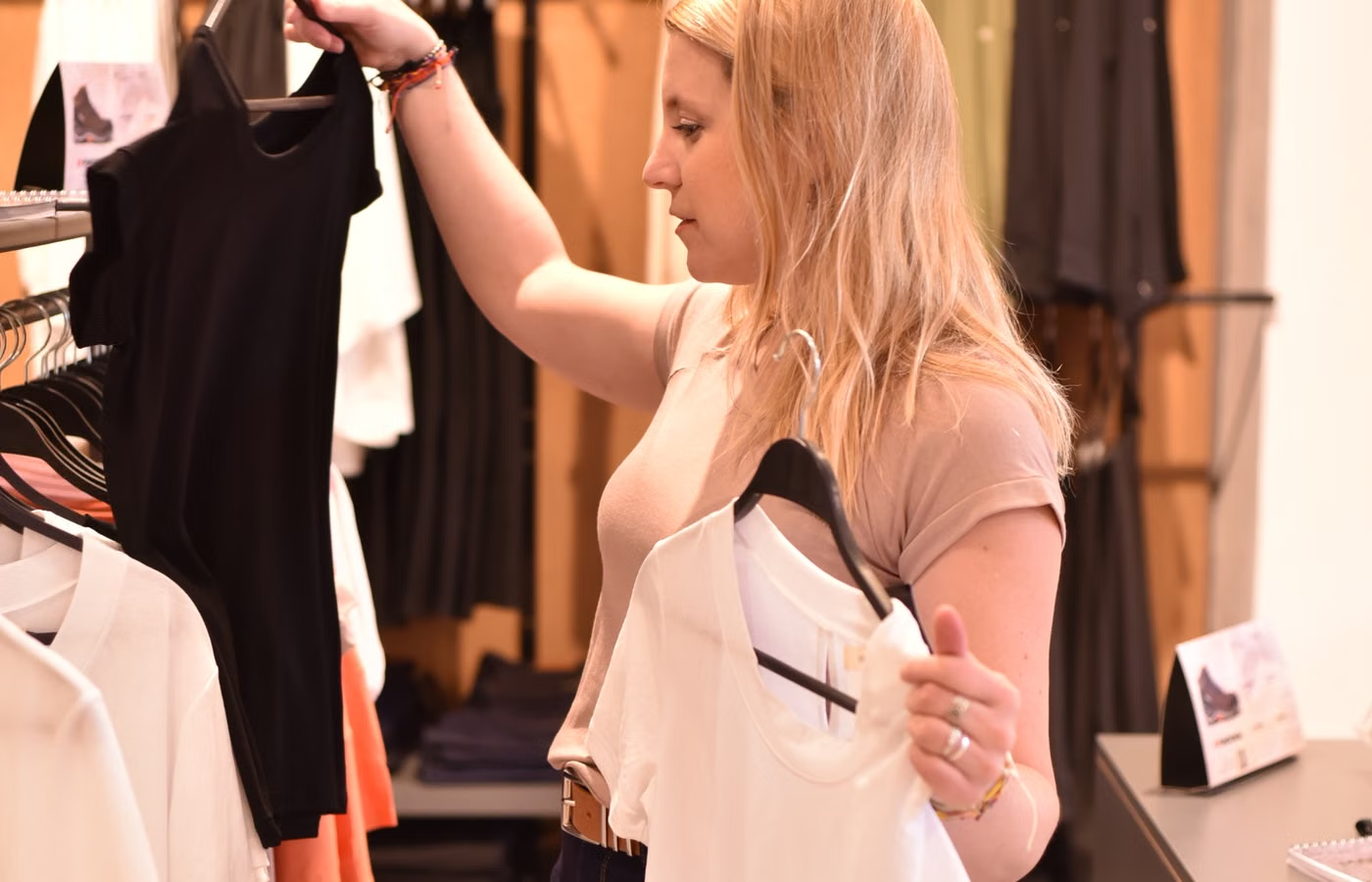
A shopping guide for the summer office problem: sweating outside and freezing under conference-room air. Picture the real setting: commuting in heat and then sitting under aggressive air conditioning. That is where a purchase proves useful—or becomes one more thing to organize, return, or ignore.
A convincing product page can make almost any option look essential. The ordinary schedule is a much better filter. For this guide, the practical starting point is to build around breathable base layers, a structured third piece, and shoes that can handle the walk. It is a quieter standard than trend appeal, but it produces fewer regret purchases.
Prices, shades, sizes, stock, materials, and return windows can change. Use the framework below to narrow the field, then confirm current details on the merchant page before ordering.
Start with the real-life moment
Clothes have to work in motion, not only in a fitting-room pose. Sitting, walking, temperature changes, bag straps, laundering, and the shoes already by the door are all part of the fit decision. In this case, the stress test is commuting in heat and then sitting under aggressive air conditioning. Write down the part most likely to go wrong and shop for that constraint first.
The fantasy version of the routine has extra time, ideal weather, generous storage, and perfect lighting. The real version rarely does. If an option only works in the fantasy, it is not the practical pick for this story.
Give the purchase a clear job
Use one sentence: “This purchase needs to help me build around breathable base layers, a structured third piece, and shoes that can handle the walk.” Keep that sentence beside you while comparing tabs. It prevents an attractive feature from replacing the actual problem.
Then ask the harder fit question: Can this piece move through the entire schedule and combine with at least three things you already own? If the answer depends on buying another accessory, changing the whole routine, or waiting for a perfect day, move on.
What to compare before buying
- fabric weight: Use the size chart, fabric composition, care label, and customer photos as separate pieces of evidence.
- fit through movement: Compare the measurement with a similar item you already wear rather than relying only on the size name.
- care instructions: Picture the piece after sitting, walking, layering, and carrying your usual bag.
- rewear potential: Read the return window before ordering multiple sizes, especially for event or deadline shopping.
- shipping and returns: Estimate repeat wear with the closet you have now, not with extra purchases you might make later.
Make notes in plain language—“easy to wash,” “works with my black trousers,” “fits the 14-inch shelf”—instead of copying marketing terms. Concrete notes make tradeoffs visible when two options look almost identical.
The cart that makes sense
For work outfits for hot weather and cold offices, a useful cart is small and ordered. Start with the dependable base, add the item that solves the friction point, and consider a convenience upgrade only after the first two make sense.
- Relaxed work blazer options: treat this as the dependable base. It is most relevant for hybrid offices and desk-to-dinner outfits. Compare current formats at Nordstrom, but keep it only if it supports commuting in heat and then sitting under aggressive air conditioning.
- Wide-leg trousers and pull-on pants: treat this as the item that removes the main friction point. It is most relevant for commutes and long sitting days. Compare current formats at Target, but keep it only if it supports commuting in heat and then sitting under aggressive air conditioning.
- Comfortable flats and low heels: treat this as the optional convenience upgrade. It is most relevant for errands and office days and travel. Compare current formats at Zappos, but keep it only if it supports commuting in heat and then sitting under aggressive air conditioning.
These are comparison destinations, not a claim that every listing will suit every reader. Check the current product page, materials or ingredients, dimensions or sizing, shipping date, and return terms.
What to skip
Skip the piece that needs three other purchases before it works. The best clothing buy should unlock outfits you already own. Also pause before paying extra for a novelty detail, a special-care fabric, or a second occasion piece before the repeat-wear basics are settled. A good decision should make the next use easier, not create a second task.
How to make it last
Read the care label before checkout, launder gently, and use small maintenance tools early instead of waiting until a favorite piece looks tired. Save the order confirmation and care details until the item has completed a normal week in your routine.
The one-week test
Try the piece with the underwear, shoes, layer, and bag you would really wear. Sit for ten minutes, walk stairs, reach forward, and check the fabric in daylight. Keep tags and packaging until the full outfit passes that test.
At the end of the week, ask three questions: Did it solve the original friction? Was it easy to put away or maintain? Would you choose it again on the same kind of day? Two uncertain answers are a strong sign to use the return window rather than rationalize the purchase.
Quick buying checklist
- Does it solve a problem you hit at least once a week?
- Can you use it with products, clothes, or storage you already own?
- Is the size, shade, fabric, scent, or format forgiving enough for your schedule?
- Have you checked care, cleanup, refill, shipping, and return details?
- Would you still want it if it were not trending today?
That last question is the quiet filter. A “yes” does not guarantee a perfect buy, but it gives the purchase a much better chance of becoming part of your actual life.
Questions readers usually ask
How many options should I compare?
Three is usually enough: a dependable baseline, a lower-cost alternative, and the option with the one feature you care about most. More tabs can make small differences feel more important than they are.
Should I buy the cheapest option first?
Start with the lowest-cost option that meets the non-negotiables for commuting in heat and then sitting under aggressive air conditioning. Paying less is not useful if the item creates discomfort, does not fit, or cannot be maintained; paying more is not useful when the extra features do not serve the routine.
What should I verify right before checkout?
Confirm the exact size, shade or model, quantity, material or ingredient information, delivery estimate, final price, and return conditions. Retailer pages change, so those details deserve a fresh check every time.